


Why Home Office Refuses Skilled Worker Visas and How to Protect Your Business
Securing a UK Sponsor Licence is a significant milestone for any business looking to recruit international talent.
However, obtaining the licence is only the first step. The true challenge often arises when you attempt to sponsor a specific employee.
In recent years, the Home Office has intensified its scrutiny of sponsored roles. A growing number of applications are refused under what is known as the “genuine vacancy” rule.
Even if your business meets all the financial and administrative criteria to be a sponsor, a refusal based on a non-genuine vacancy can disrupt your recruitment timeline and, in severe cases, trigger an audit of your entire licence.
Understanding what the Home Office looks for and how to document your recruitment process is essential to avoid this common compliance trap.
Understanding the Genuine Vacancy Requirement
The genuine vacancy requirement is a core compliance standard. The Home Office wants to ensure that sponsors do not create artificial roles simply to facilitate entry into the UK for a friend, family member, or paying applicant.
What is a Genuine Vacancy According to the Home Office?

According to the Home Office, a genuine vacancy is a job role that is highly necessary for the day-to-day operations of the business.
The role must fit naturally within the existing structure of the company, and the duties must genuinely match the chosen Standard Occupational Classification (SOC) code.
How the Home Office Investigates Job Roles
Caseworkers do not simply review the job title and salary. They conduct independent research, looking closely at your business website, corporate filings, social media presence, and physical premises.
If they suspect that the duties described in the application do not align with the actual scale or nature of your business, they will request additional evidence or refuse the visa outright.
When assessing whether a role is genuine, caseworkers look for consistency. They will evaluate whether the business actually has the capacity, workspace, and operational demand to employ someone in the proposed capacity.
A classic trigger for a genuine vacancy inquiry is when a small business with a low turnover and few employees attempts to sponsor a highly specialized, high-salaried executive.
For instance, if a small local retail shop with two employees attempts to sponsor a full-time “Financial Director,” the Home Office will rightly question whether the business genuinely requires a dedicated director-level role to manage its basic accounting.
Key Red Flags That Trigger a Genuine Vacancy Refusal

To protect your business from refusals, it is helpful to understand the specific triggers that cause Home Office caseworkers to flag a Certificate of Sponsorship (CoS) for closer inspection.
Over-Inflated Job Titles and Incongruent Salary Packages
Sometimes, employers choose a high-level SOC code to meet the minimum salary thresholds for a Skilled Worker Visa. For example, they might classify a basic administrative assistant as a “Business Development Manager” to satisfy the salary requirements. If the actual day-to-day duties described in the contract are clerical, the caseworker will reject the application as a non-genuine vacancy.
Tailoring a Job Description to a Specific Candidate
Another common error is writing a job description that is so specific it could only apply to one individual, often containing unusual combinations of skills that do not fit the job title. If the Home Office believes the role was designed purely to fit the unique CV of a preferred candidate rather than addressing an objective business need, they will refuse the application.
Below is a summary of common red flags and how to address them prior to submission:
| Home Office Red Flag | Potential Consequences | Best Practice Solution |
|---|---|---|
| Job duties do not match the selected SOC code. | Immediate visa refusal due to incorrect classification. | Map the role carefully against the official Skilled Worker route requirements on GOV.UK before assigning a CoS. |
| The business does not seem to have a physical or digital presence. | Pre-licence or post-licence compliance visit triggered. | Ensure your business website, LinkedIn page, and office registration details are active and accurate. |
| Tailoring the role to fit a friend or relative. | Suspected immigration abuse, potential licence suspension. | Keep detailed records of the recruitment process to prove the candidate was selected based on merit. |
| The role is outsourced to a third party. | Deemed a placement of labour rather than a genuine vacancy. | Ensure the sponsored employee will work directly for your business, under your direct supervision. |
Evidential Requirements to Preemptively Prove Your Vacancy is Genuine
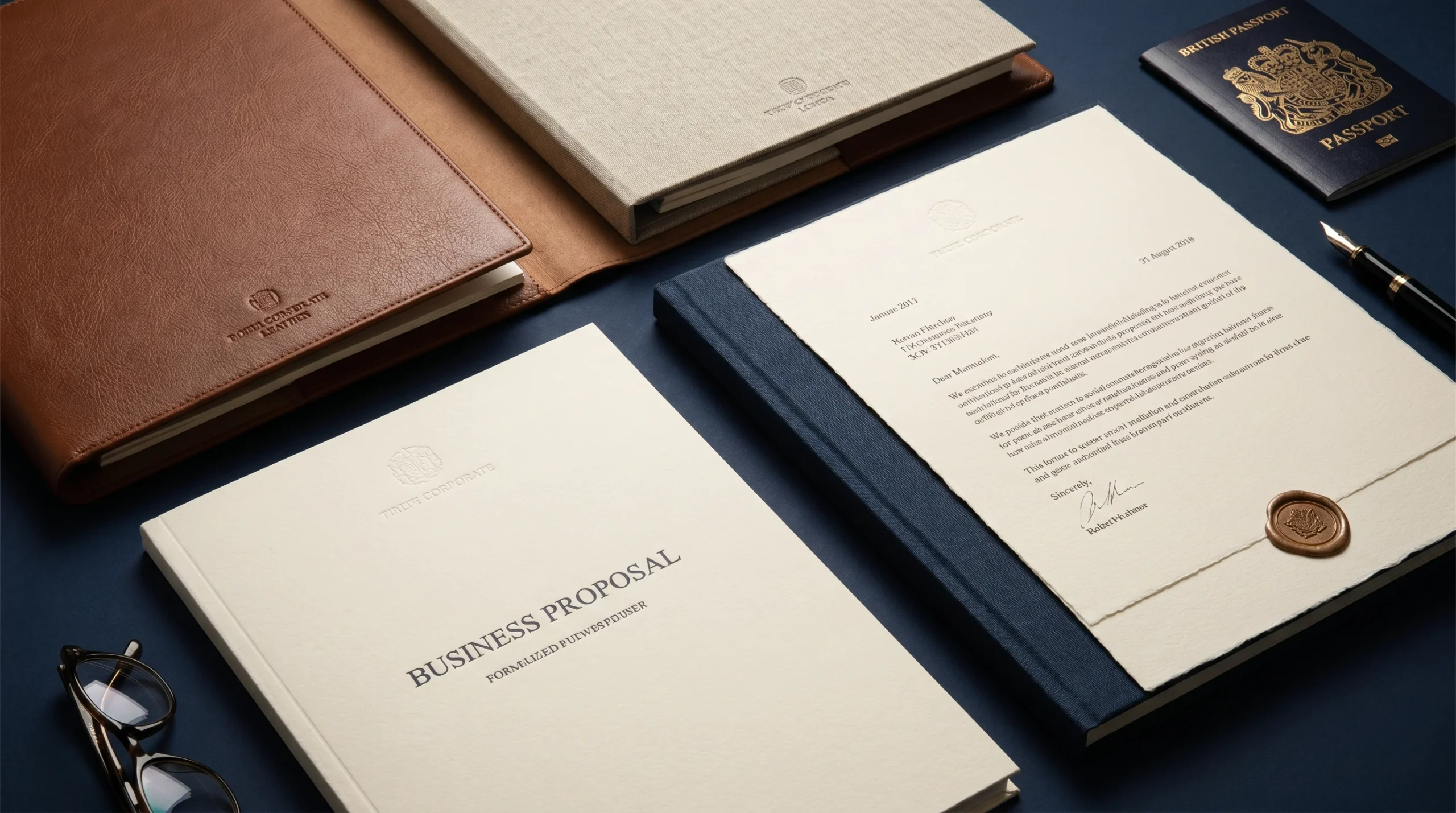
To prevent delays, it is highly recommended to compile a robust package of supporting evidence before assigning a CoS. This is especially true if your business is small, newly established, or operating in a niche sector.
Crucial Business Documents to Prepare
If the Home Office requests additional information, you must be ready to provide a suite of corporate documents.
This package should explain why your business requires this specific role at this precise stage of its growth.
Structuring a Strong Business Justification Letter
A well-drafted business justification letter is your primary tool to explain the operational necessity of the role. This letter should be prepared with the support of a qualified legal adviser and should cover the following key points:
- The Business Context: A brief overview of your business activities, sector, and recent growth or expansion plans.
- The Operational Need: An objective explanation of why your current team cannot absorb these duties and why a new hire is necessary.
- The Recruitment Process: Details of how you advertised the role, the number of applicants, and why the sponsored candidate was the best fit.
- The Financial Viability: Proof that your business has the financial capacity to pay the sponsored worker the required salary without impacting existing staff.
For detailed guidelines on your duties as a sponsor, you can consult the GOV.UK sponsor guidance for employers.
What To Do If Your Skilled Worker Visa or CoS is Refused
If you receive a refusal letter stating that the caseworker does not believe the vacancy is genuine, you must act quickly.
A genuine vacancy refusal is a serious matter because it casts doubt on your integrity as a trusted sponsor.
Challenging the Decision via Administrative Review
If you believe the caseworker made a clear mistake, misapplied the rules, or overlooked the evidence you provided, you may be eligible to challenge the refusal.
This challenge is typically managed through an Administrative Review. During this process, a senior caseworker will review the original decision.
Because you generally cannot submit new evidence during a review, your legal representative must construct a highly technical argument based solely on the documents already submitted.
If you are facing a refusal, our experienced team can assist you through our dedicated Administrative Review service to help evaluate your options and protect your licence.
Secure Your Sponsor Compliance with Wise Immigration

Maintaining sponsor compliance is an ongoing responsibility that requires rigorous record-keeping and a deep understanding of evolving immigration policies.
At Wise Immigration LTD, we work closely with UK businesses to establish robust HR systems, audit existing files, and ensure that every CoS assigned satisfies the strict genuine vacancy test.
Whether you are applying for a new Sponsor Licence or seeking ongoing support with Immigration Compliance, our team provides clear and practical guidance to protect your business.
To discuss your recruitment plans or to have our team review a complex job role before submission, please reach out to our legal advisers through our Contact Page. We are here to help you navigate the sponsorship process with confidence.